Corporate Responsibility
ENVIRONMENT

Energy: Performance and goals

Mobile phones and chargers

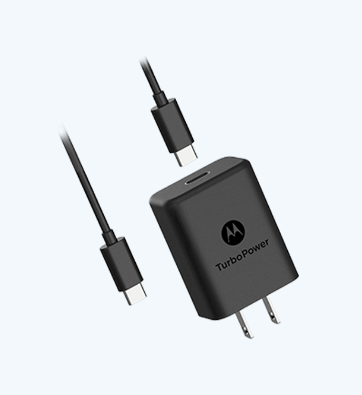
Motorola is committed to providing energy-efficient chargers and, in 2000, voluntarily signed onto the European Union's Code of Conduct for mobile phone power supplies (chargers). Motorola meets the EU Code of Conduct requirements for such products worldwide and, since signing this commitment, has reduced the average standby power of its chargers by at least 70 percent. The new EU Code of Conduct target of 0.25 watts for standby power of mobile phone chargers took effect on 1 January 2009, and subsequently all of our newly designed chargers released to the market meet it. In fact, all of our newly designed charges feature standby power rates of 0.1 watts, with some even lower.

European Union's code of conduct to improve energy efficiency of power supplies

New U.S. Environmental Protection Agency Energy Star v2 requirements for mobile phone chargers took effect on 1 November 2008, and subsequently 100 percent of our newly designed chargers globally meet these requirements and exceed by 67 percent the requirements for standby / no-load modes, including model numbers:

SPN5504A SPN5505A SPN5506A SPN5507A SPN5508A SPN5510A SPN5511A
SPN5512A SPN5513A SPN5515A SPN5516A SPN5517A SPN5535A SPN5536A
SPN5538A SPN5539A SPN5540A SPN5541A SPN5542A SPN5543A SPN5544A
SPN5545A SPN5546A SPN5547A SPN5548A SPN5550A SPN5551A SPN5552A
SPN5553A SPN5555A SPN5556A SPN5557A SPN5558A SPN5559A SPN5560A
SPN5561A

Motorola also participates in the European Commission's Integrated Product Policy (IPP) energy task force for mobile phones. We have installed software in our new mobile phone designs to remind users to unplug their chargers after use, and we ship our phones with energy-saving settings enabled. Most of the energy used during the life cycle of a mobile phone is wasted when the charger is left on standby (plugged in, but not in use). Increased talk time conserves energy by reducing charging frequency.

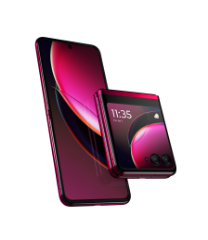
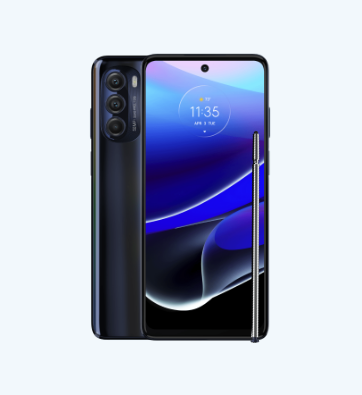
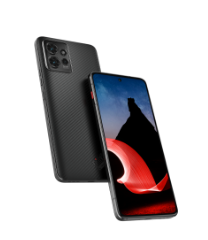
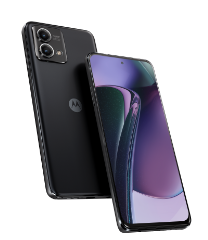
Talk time: Best-selling Motorola phones

Set-tops

Since 1998, we have continued to reduce the energy consumption of our set-tops. The chart below shows how our DCH7- set-top, introduced in 2007, uses less than half of the energy of our 1998 model, the DCT2244. And we have achieved Energy Star v2 requirements for our new IP set-tops.

Set tops: Average power consumption

Simplre set tops: Average power consumption

IP set tops: Average power consumption

Our Whole Home Media technology offers better energy efficiency in homes with more than one set-top. By networking a digital video recorder (DVR) set-top to other non-DVR set-tops, the system consumes less power overall. This means that people can enjoy the functionality of having multiple DVR set-tops while using less energy.

Enterprise Mobility products

Where applicable, all our current external power suppliers for mobile computing and automatic data capture devices comply with:

• California's appliance efficiency regulations
• U.S. Energy Independence and Security Act of 2007
• Australian and New Zealand energy performance requirements for external power supplies

We ship all of our products with the energy-saving setting enabled.

Government and Public Safety products

We have improved the energy efficiency of our external power supply for use with our ASTRO and PCR single unit desktop chargers. These consume 40 percent less energy in standby mode than is required by the U.S. Energy Independence and Security Act of 2007.

Our radio equipment helps first responders to stay on patrol longer and return to base less often, saving emissions and fuel. For example, our "mobile office" in-car workstations allow users to submit reports securely without returning to the station. Our radio systems can also be reprogrammed over the air and if there is a fault with the equipment, we can remotely diagnose and fix the problem.

Motorola's new IMPRES chargers increase the life of the battery pack for our two-way radios and save energy. The biggest benefit is for users that routinely have radios with full batteries sitting in their chargers. Many conventional chargers will start a rapid charging sequence if a person picks a radio up for a short time and then replaces it in the charger, wasting energy. IMPRES chargers avoid this by recognizing the battery's last known state of charge and starting the charging processes from that level.


Back to top